Why Do My Sewing Machine Stitches Look Wonky at the Bottom? A Beginner’s Guide to Fixing Messy Bobbin Stitches
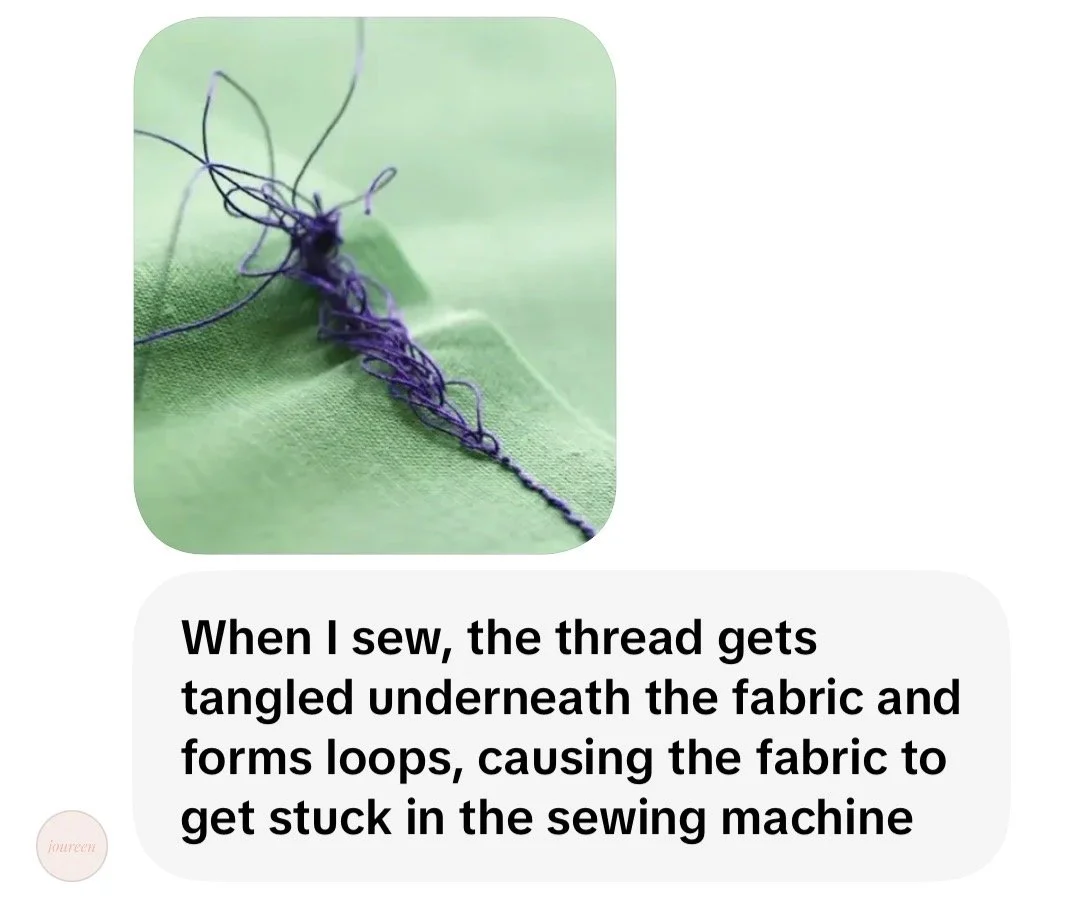
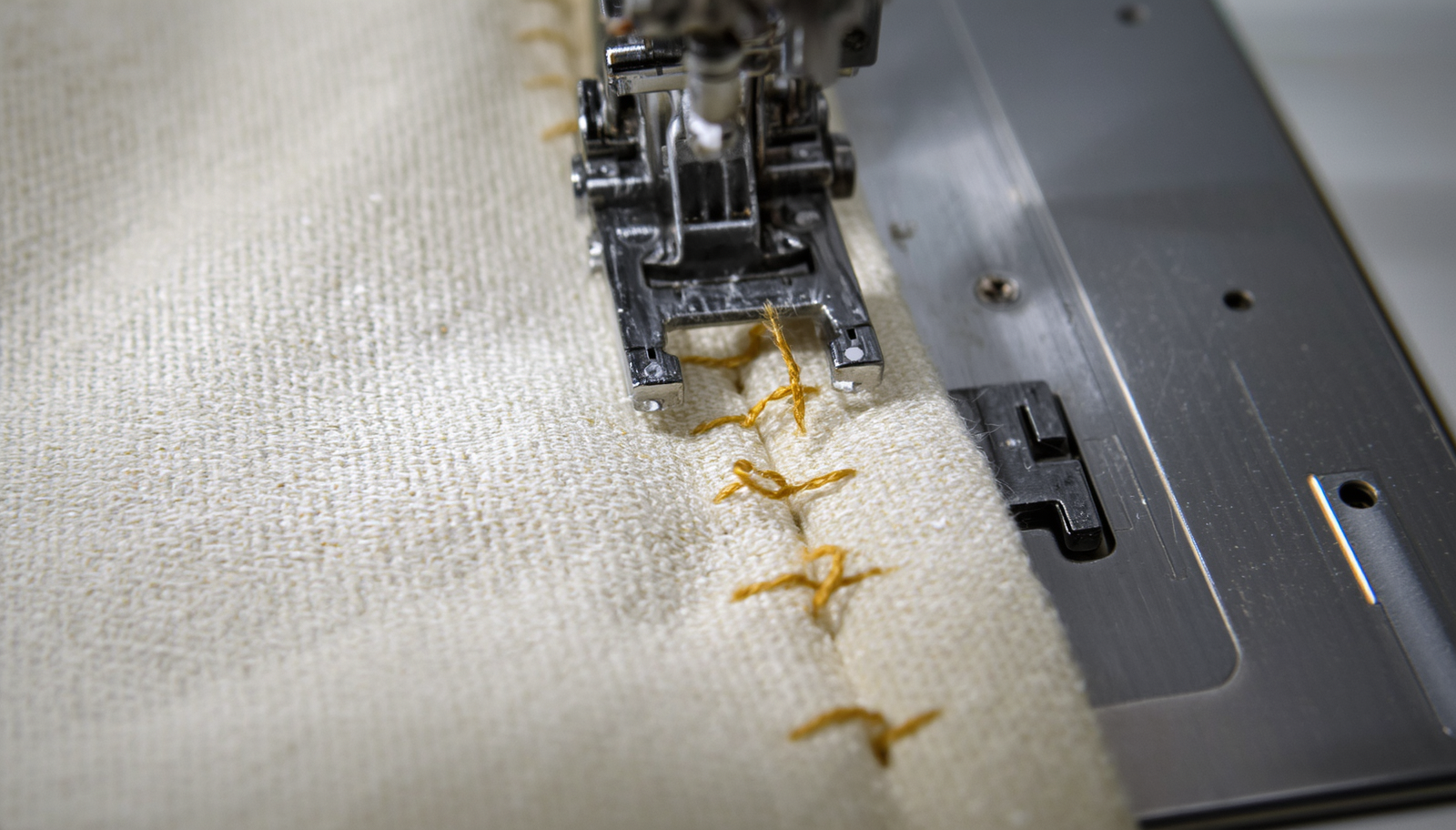
You have finished sewing a line and feel proud of your progress. The stitches on the top of your fabric look neat and straight… but when you turn your fabric over, you see loose loops, tangled thread, or messy stitches underneath.
Sound familiar?
This is one of the most common problems beginners experience when learning to sew, and it can be very frustrating. Many people assume their sewing machine is broken, but in most cases, the problem is something simple that can be fixed.
The good news is that once you understand what causes uneven bottom stitches, you can troubleshoot the problem quickly and get back to creating.
Let’s look at the most common reasons why your sewing machine stitches may look wonky underneath.
1. Your Bobbin Thread Is Not Wound Properly
The bobbin plays an important role in creating balanced stitches. If your bobbin has not been wound evenly, the thread may not feed smoothly while sewing.
An unevenly wound bobbin can cause inconsistent tension, which can result in messy stitches underneath your fabric.
Check that:
The thread on your bobbin is wound evenly
The bobbin is not too loose or uneven
The bobbin is the correct type for your sewing machine
The bobbin has been placed correctly
A simple bobbin issue can affect the entire stitch quality.
2. Your Bobbin Has Not Been Inserted Correctly
Even if your bobbin is wound perfectly, it can still cause problems if it is inserted incorrectly.
The bobbin needs to sit in the machine exactly as your manufacturer recommends. If the thread is not passing through the correct slot or tension area, your stitches may become loose or tangled.
Always check:
Is the bobbin facing the correct direction?
Has the thread been pulled through the bobbin tension slot?
Is the bobbin sitting securely in place?
3. Your Bobbin Case Has Lint or Thread Build-Up
Sewing creates a lot of tiny fibres, especially when working with fabrics such as cotton, fleece, or fluffy materials.
Over time, lint and small pieces of thread can collect around the bobbin case and affect how smoothly the thread moves.
Regular cleaning is important.
Make sure you:
Remove lint from the bobbin area
Clear away loose threads
Follow your machine’s cleaning instructions
A clean machine will usually sew more smoothly.
4. Your Upper Thread Is Not Threaded Correctly
One of the biggest causes of messy stitches underneath is incorrect threading.
Many beginners focus on the bobbin when they see a problem underneath, but the upper thread is often the real cause.
If your top thread is not sitting correctly in the tension discs, the machine cannot create balanced stitches.
Try this:
Remove the upper thread completely
Lift your presser foot
Re-thread your machine carefully
Make sure the thread follows every guide
Always remember: the machine must be threaded correctly before you adjust anything else.
5. Your Thread Is Not Sitting Correctly in the Tension Area
Your sewing machine uses tension to balance the upper thread and bobbin thread.
If the thread misses the tension discs or is not positioned correctly, your stitches may look messy underneath.
A common mistake is threading the machine while the presser foot is down. This can prevent the thread from sitting properly in the tension system.
6. Your Thread Tension Setting Is Incorrect
If your tension setting is too loose or too tight, your stitches may become uneven.
Signs of tension problems include:
Loops underneath the fabric
Thread bunching
Uneven stitches
Thread pulling through to the wrong side
Before adjusting tension, always re-check your threading first. Many tension problems are actually threading problems.
7. You Are Using the Wrong Thread
Not all threads work well for every fabric or machine.
Using poor-quality thread or a thread that is unsuitable for your project can affect stitch consistency.
Consider:
Is your thread suitable for your fabric?
Is the thread too thick or too thin?
Is the thread old or damaged?
Good-quality thread makes a difference.
8. Your Needle Type or Size Is Incorrect
Your needle and thread work together. Using the wrong needle can affect how your machine forms stitches.
For example, a needle that is too large, too small, or not suitable for your fabric may cause uneven stitching.
Always consider:
The type of fabric you are sewing
The weight of the fabric
The correct needle size
9. Your Needle Is Bent, Blunt, or Damaged
A needle may look fine but still affect your stitching.
A damaged or worn needle can cause:
Skipped stitches
Uneven stitching
Poor stitch formation
Changing your needle regularly is a simple habit that can improve your sewing results.
10. You Are Pulling or Pushing the Fabric While Sewing
Many beginners try to help the machine by pulling the fabric through.
Your sewing machine is designed to feed the fabric at the correct speed. Your job is to guide the fabric gently.
Pulling or pushing can create uneven stitches because the machine is no longer controlling the movement properly.
11. Your Stitch Length Is Incorrect
Your stitch length affects how your stitches look.
Very short stitches can sometimes create a dense, uneven appearance, while very long stitches may look loose or unstable.
Choose your stitch length based on:
The type of fabric
The type of project
The purpose of the stitching
12. Your Sewing Machine May Need Cleaning or Servicing
If you have checked your threading, bobbin, needle, and tension but your stitches are still uneven, your machine may need attention.
Regular maintenance helps your machine perform better.
If your machine is:
Making unusual noises
Creating ongoing tension problems
Struggling to form stitches correctly
it may be time for a professional check.
A Quick Troubleshooting Checklist
Before you start changing settings or getting frustrated, check:
✅ Is my bobbin wound correctly?
✅ Is my bobbin inserted correctly?
✅ Is my bobbin area clean?
✅ Is my machine threaded correctly?
✅ Is my thread sitting properly in the tension area?
✅ Am I using the correct thread and needle?
✅ Is my needle in good condition?
✅ Am I allowing the machine to feed the fabric naturally?
✅ Is my stitch length suitable?
✅ Does my machine need cleaning?
Final Thoughts
Learning to sew is about understanding your machine as much as learning techniques.
A wonky stitch does not mean you cannot sew. Often, it is simply your machine communicating that something needs adjusting.
The more you understand your sewing machine, the more confident you become.
At Skilled Hands, we believe sewing is a skill anyone can learn with the right guidance, practice, and encouragement.
Happy sewing! 🧵
Ready to build your sewing confidence? Explore Skilled Hands sewing workshops and learn practical skills step-by-step.